
Cheek Filler
- Home
- Treatments
- Dermal Filler Treatments
- Cheek Filler
dermal filler
Cheek Filler Treatments in London
For patients looking for cheek fillers in London, Dubai, or Dublin, we specialise in non-surgical midface filler treatments to rejuvenate and enhance your facial features.
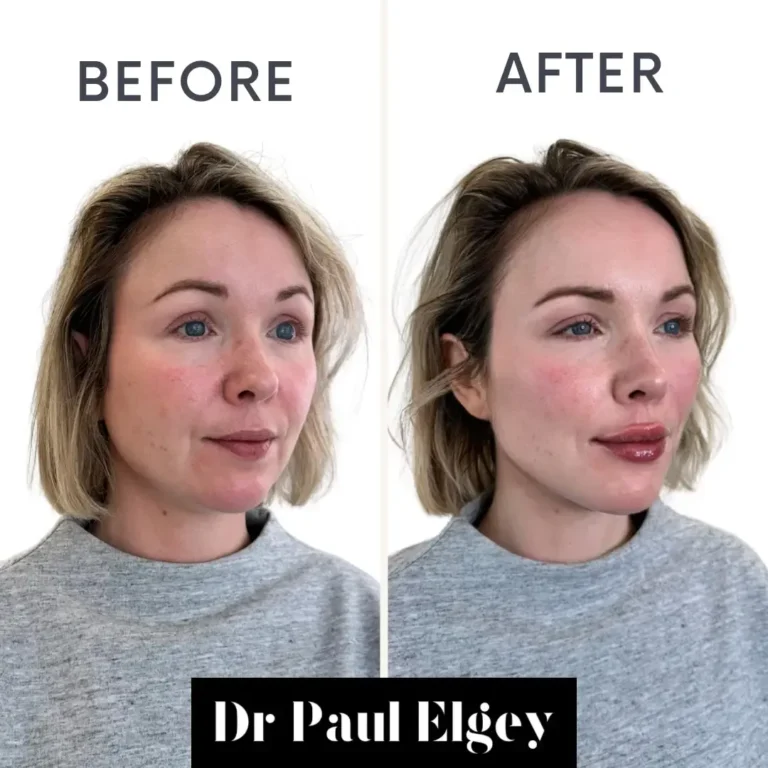
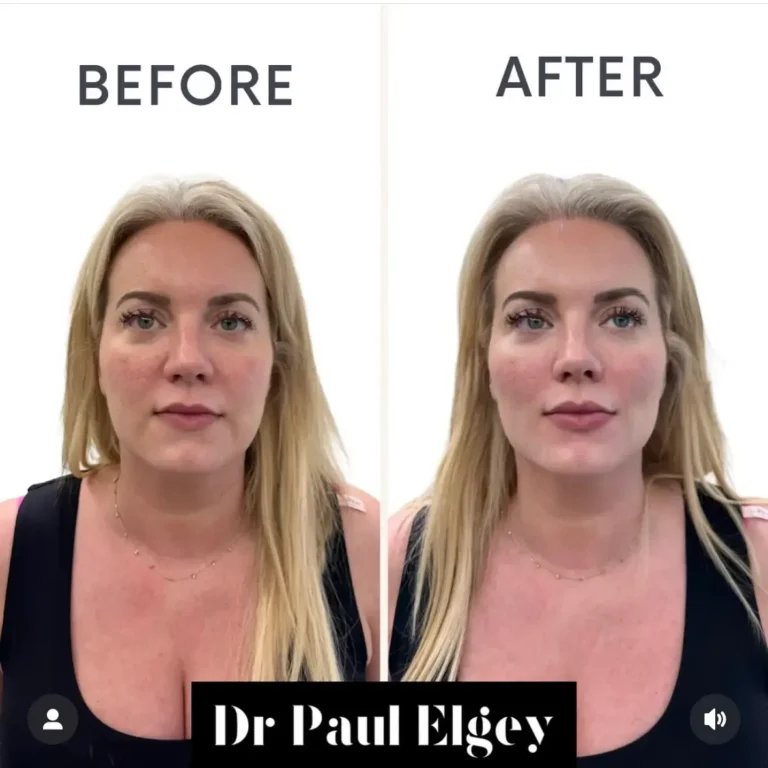
This popular treatment area utilises advanced techniques and high-quality dermal fillers to restore volume, smooth out deep lines, and improve facial symmetry in the cheeks, piriform area, and nasolabial folds. Whether you seek a subtle lift or a more dramatic transformation, our personalised approach ensures natural-looking, harmonious results tailored to your unique aesthetic goals. Read our frequently asked cheek filler questions below.
- Restored Volume Adds fullness to the cheeks and midface area.
- Smoothed Nasolabial Folds Reduces the appearance of deep lines running from the nose to the mouth.
- Improved Facial Contour Enhances overall facial symmetry and balance.
- Youthful Appearance Smooths out fine lines and wrinkles, reducing signs of aging.
- Customisable Results Tailored to individual facial features and aesthetic goals.
- Minimal Downtime Quick procedure with immediate results with minimal recovery time.
Clinical insight
What is Midface Filler?
Midface fillers, also known as cheek fillers, are non-surgical cosmetic treatments designed to enhance the volume and contour of the midface area, including the cheeks, piriform area, and nasolabial folds, “nose to mouth lines”.
Cheek filler is one of our most popular treatments in our London, Dublin, and Dubai clinics. It involves the injection of dermal fillers to restore lost volume, produce beautiful structure and contour, smooth out deep lines, and improve overall facial symmetry. It is ideal for individuals seeking a more youthful, lifted appearance without undergoing surgery.
Treatment principles
How Does Midface Filler Work?
Cheek fillers work by adding volume and structure to the midface region.
Hyaluronic acid, a naturally occurring substance in the body, is commonly used in these fillers. When injected, it binds to water molecules in the skin, creating a plumping effect and enhancing facial contours. These treatments can be used to restore volume to the cheek area, the shadows and lines running from nose to mouth, and hollowing next to the nose area.
Dr Paul Approach
Midface Filler Protocol
The treatment protocol for cheek fillers and midface fillers at our clinic typically starts with an initial consultation to discuss your goals and assess your suitability for the procedure.
Treatment can occur on the same day and involves dermal filler being injected using a fine needle or cannula. The procedure usually takes about 30 to 45 minutes, and the results are immediate. Post-treatment care includes avoiding excessive facial movements and refraining from applying pressure to the treated area for at least 24 hours.
Midface Fillers Before & Afters
Midface Filler FAQs
If you’re curious about the procedure, aftercare, or potential side effects, this section is designed to give you a clear understanding of what to expect.
At our London Clinic, we prioritise a personalised, safe approach to cheek enhancement, ensuring that every treatment plan is tailored to deliver subtle and natural results. From understanding how much filler is right for you, to how to avoid common issues like migration, we cover everything you need to know to feel confident in your lip filler journey.
How long does midface filler last?
The longevity of midface filler results varies depending on the type of filler used and individual metabolic factors. On average, hyaluronic acid fillers last between 12 to 18 months, but can be longer depending on individual factors. Factors such as the amount of filler injected, the area treated, and the individual’s lifestyle can influence the duration of the results. Our London, Dublin, and Dubai-based experts will guide you on how to maintain your results.
Are there any risks?
While midface filler treatments are generally safe, they do carry some risks, including:
- Swelling and Bruising: Can be occasionally seen but typically resolves within a few days.
- Infection: Rare, but possible if post-treatment care instructions are not followed.
- Lumps and Bumps: Can occur but are often temporary and can be massaged out or dissolved if persistent.
- Asymmetry: Rare but possible, and usually correctable with additional filler.
Aftercare
Midface Filler Aftercare: Dr. Paul's Tips for the Best Results
At Dr. Paul Elgey Aesthetic Clinic, we are committed to not only enhancing the contours of your mid-face but also ensuring the longevity and health of your skin post-treatment. Proper aftercare is essential for achieving the best results and a comfortable recovery. Below, you’ll find important guidelines to help you care for your skin after your mid-face filler treatment.
 Avoid Alcohol and Blood Thinners Alcohol and blood-thinning medications like aspirin and ibuprofen increase the likelihood of bruising and swelling. It’s recommended to avoid these for 24-48 hours after your treatment to allow the body to heal.
Staying hydrated and avoiding alcohol for a couple of days will help your body recover faster and minimise any swelling or bruising. It’s a small adjustment that can make a big difference. Avoid Pressure or Massage Pressure on the treated area can cause the filler to shift or settle unevenly, affecting the final result. For the first 24-48 hours, it’s best to avoid massaging or applying pressure. Gentle cleansing is fine, but avoid any direct manipulation of the filler.
Be mindful of how much pressure you apply to your face in the first couple of days. Avoid heavy makeup or skincare that requires rubbing. This ensures the filler stays in place and achieves the desired contour. Monitor for Signs of Infection or Complications It’s normal to experience some swelling, bruising, or redness post-treatment, but persistent or worsening symptoms such as excessive pain, warmth, or discolouration should be taken seriously. If you notice any signs of infection or potential vascular complications, contact our clinic immediately.
I always stress to patients that if something feels wrong, it’s better to call. Early signs of infection or complications can be subtle, but addressing them quickly can prevent more serious issues. Avoid Heat Exposure Post-treatment, avoid high-temperature environments like saunas, steam rooms, and strenuous activities for at least 48 hours. Heat can increase blood flow to the treated area, which may intensify swelling and bruising, affecting the overall result and possibly shortening the filler’s lifespan.
I always advise my patients to steer clear of any heat-based activities for at least 24 hours. This includes not only saunas but also very hot showers or baths. It’s all about letting the filler settle without risking more swelling. Keep the Treated Area Clean Maintaining cleanliness is crucial to avoid bacterial infections. Clean surfaces like phones and glasses regularly in the first 24 hours, and refrain from touching the treated area. During the first 24 hours, the injection sites are healing, and introducing bacteria could lead to infections.
“I often remind patients to ensure clean pillowcases immediately after treatment and wipe their phones regularly. It’s so easy to touch your face without realising it, and these small steps significantly reduce the chance of infection.””
 Use Cold Compresses to Reduce Swelling Using a cold compress, not ice, intermittently during the first 24 hours can help minimise swelling and bruising. Ensure the compress is applied gently and not directly on the skin to avoid any irritation.
Cold compresses work wonders in reducing swelling, but remember to apply them gently. Wrap the compress in a soft cloth to avoid shocking the skin with direct cold. Stay Hydrated Hyaluronic acid fillers attract water, so drinking plenty of fluids can help enhance the filler’s effect and support your skin’s elasticity. Hydration also aids in recovery, helping to minimise swelling and maintain healthy skin.
Hydration is key to maximising the benefits of hyaluronic acid fillers. Keeping well-hydrated will not only help your skin look plump but will also ensure the filler achieves the best results. Elevate Your Head While Sleeping Sleeping with your head elevated can prevent fluid from building up in the treated area, helping to reduce swelling. This is especially important during the first few nights after treatment. It is also important not to lie directly on the treated area for the first 24-48 hours to prevent filler movement and allow it to settle naturally.
Sleeping with an extra pillow or two is a simple way to help reduce swelling overnight. It’s a comfortable and effective way to ensure the treated area heals properly.” Gentle Skincare and Sun Protection It’s important to avoid harsh skincare products and active ingredients like retinol for at least a week post-treatment. Sun protection is crucial. Use a broad-spectrum sunscreen with SPF 30 or higher to prevent UV damage, which can degrade the filler.
After any filler treatment, I recommend switching to a gentle, hydrating skincare routine for a week. And always use a good SPF, even on cloudy days. Sun protection not only keeps your skin safe but also helps prolong the results of your treatment.
Book a Consultation
A doctor-led consultation focused on natural, balanced results. Share your goals and concerns and we will guide you through the most appropriate treatment plan.
- +44 7501 729837
- Unit. 1, Orchard Street, London, W1H 6HJ
- info@drpaulelgey.com